BPC-157 + TB-500 / what animal studies measured
BPC-157 TB-500 hasn’t had a fair test together.
Separate BPC-157 and TB-500 studies measured blood flow, tendon strength, and cell movement, yet most used animals or living cells outside a body and can't tell what your mixed vial will do.
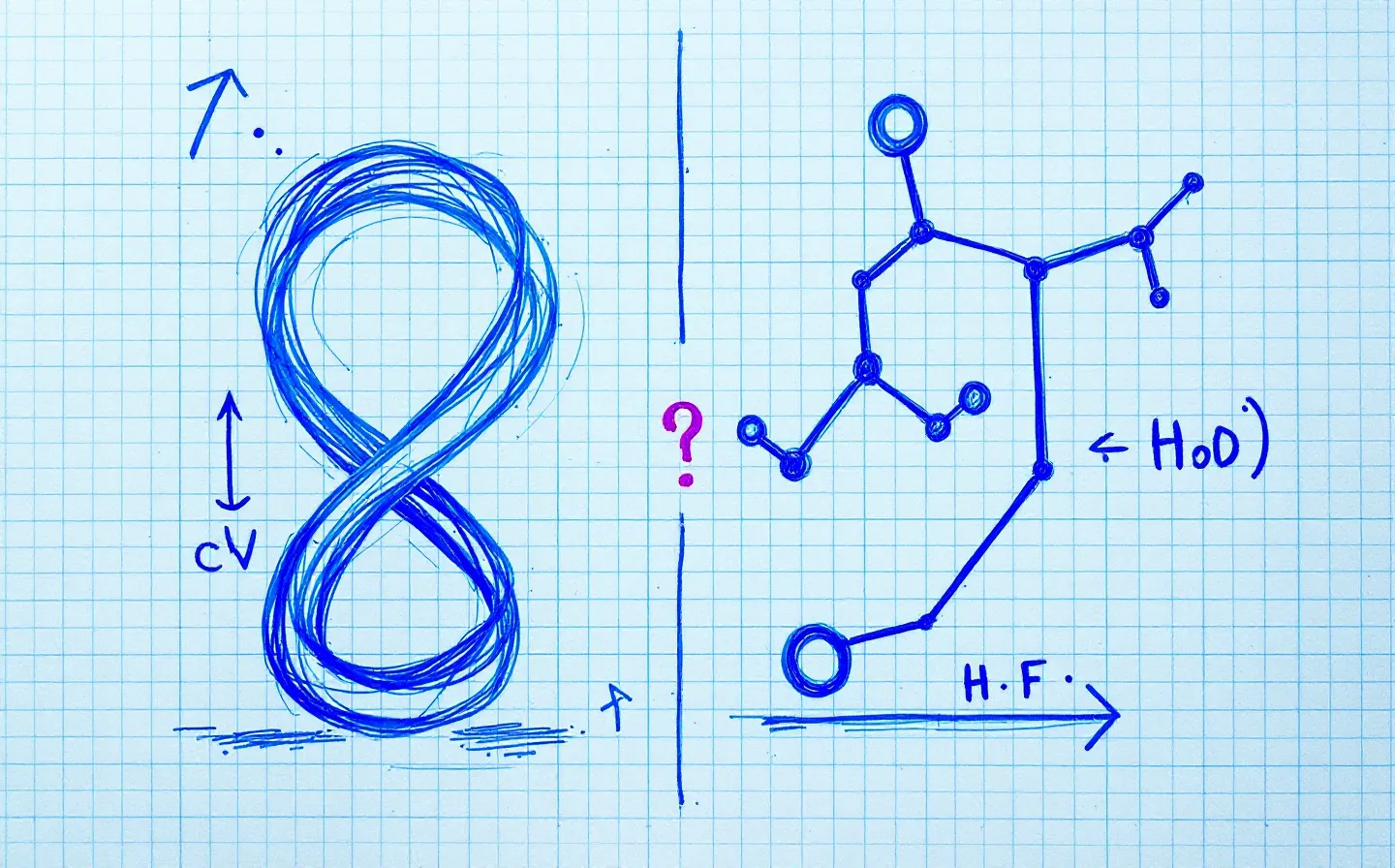
A hand-drawn lab notebook on the BPC-157 + TB-500 'Wolverine' research blend — each study, each mechanism, and the regulatory-access record sketched out in the margin, with the one fact circled in red: no controlled combination trial exists.
Animal studies found changes but gave people no answer
Animal studies watched blood flow back into injured tissue. They didn't test people or the BPC-157 TB-500 mixture. That's the limit I'd keep beside every claim about your body.
BPC-157 is made from the small parts that form protein. In animals, BPC-157 helped hair-thin blood vessels grow near an injury [2]. A BPC-157 result in animals may sound useful, but it gives you no safe amount.
A lab can use molecular weight to tell substances apart. TB-500 is listed at 889 daltons; a dalton is the lab's unit for something far too small to weigh on a household scale. That number says nothing about healing or risk. TB-500 copies a small section of a larger body protein called Thymosin Beta-4.
In a dish, one copied section touched a cell protein used for movement. The lab called it a 1:1 match, meaning one section touched one protein [3]. That finding only shows contact in a dish. It doesn't show your injury healing.
Here's what I'd carry to my own doctor. BPC-157 was tied to blood flow near an injury, while the TB-500 section was tied to cell movement, but no test found extra help when both went into one vial. The dose studies and separate study results can't tell what your vial will do.
Wolverine is a sales name for two substances
Sellers use Wolverine for BPC-157 and TB-500 in one vial. That’s a sales name, not one drug. A label may list 10 milligrams of BPC-157 and 10 milligrams of TB-500.
The name can make the pair sound settled, but it isn’t. No approved medicine is called Wolverine. No study has tested the pair as one treatment.
Treat BPC-157 TB-500 as two unproved substances. A nickname can't turn them into tested care. Your doctor needs to see the actual vial label.
What does the Wolverine name mean?
Sellers call one vial with BPC-157 and TB-500 Wolverine. Each substance is a small chain made in a lab of protein parts. The nickname doesn't make them one drug. It gives no clue about what may happen to your injury. No drug approval or fair trial supports your mixture. Show your doctor the full label, not only the nickname.
BPC-157 TB-500 has no fair trial in people
An early study cut rat Achilles tendons all the way through. With BPC-157, the tendons held more weight before breaking again [1]. Their collagen, the tough protein that braces a tendon, also looked better.
Later dish work found a 1:1 contact between two tiny parts [3]. That means one copied section touched a cell protein used for movement. TB-500 copies that section from Thymosin Beta-4, a larger body protein, but dish contact isn't healing in your body.
In 2025, a review counted 36 BPC-157 studies [9]. Of those, 35 used animals or living cells in a dish. That review found just one study in people and no human safety facts about TB-500.
BPC-157 TB-500 is sold on the strength of those separate findings. The mixture itself hasn't been tested. A polished label can't supply the missing proof. If this were my knee, I'd put that gap first.
What are BPC-157 and TB-500?
A lab makes BPC-157 from the small parts that form proteins. TB-500 copies one section of Thymosin Beta-4, a larger protein found in the body. Sellers put both substances in one vial. The pair lacks drug approval and hasn't had a fair study. Tell your doctor that when you discuss the label.
What do researchers study BPC-157 and TB-500 for?
Researchers cut rat tendons, then gave the rats BPC-157 [1]. Other work found that full Thymosin Beta-4, a body protein, helped cells move during wound repair [4]. TB-500 copies only one small part copied from the larger protein. The substances weren't tested together. Your tendon may not mend like a rat tendon.
Your doctor still has to judge your own injury
These pages report studies; they don't provide clinic care. No one here can examine your knee or prescribe BPC-157 TB-500. Your doctor can weigh the findings against your health and medicines.
A rat or mouse result can't foretell your response. Cells in a dish don't behave like a whole person. A test of one substance can't settle how your mixture may affect you.
The largest gap is plain. People haven't had a fair trial of your mixture, so help and harm are both unknown. The FDA access summary tells you what the cited pages say about pharmacy access.
Personal reports don’t prove what caused a change
The reports about BPC-157 TB-500 effects and safety cover pain, movement, sleep, and nausea. No fair trial checked those personal accounts. They can't pin any change on the blend.
The page separates study-based warnings from risks that remain possible. That helps you weigh a claim without treating one person's account as proof. Your doctor still needs to judge your symptom.